Program Innovations

Local Level Climate Action

Everything the environmental science and sustainability department does is intentional, with an eye toward contributing to society. And it’s only natural that that would include the local area. There is much opportunity to support Meadville residents in wrangling the challenges of climate change. In particular, those most vulnerable in lower income areas of the community.
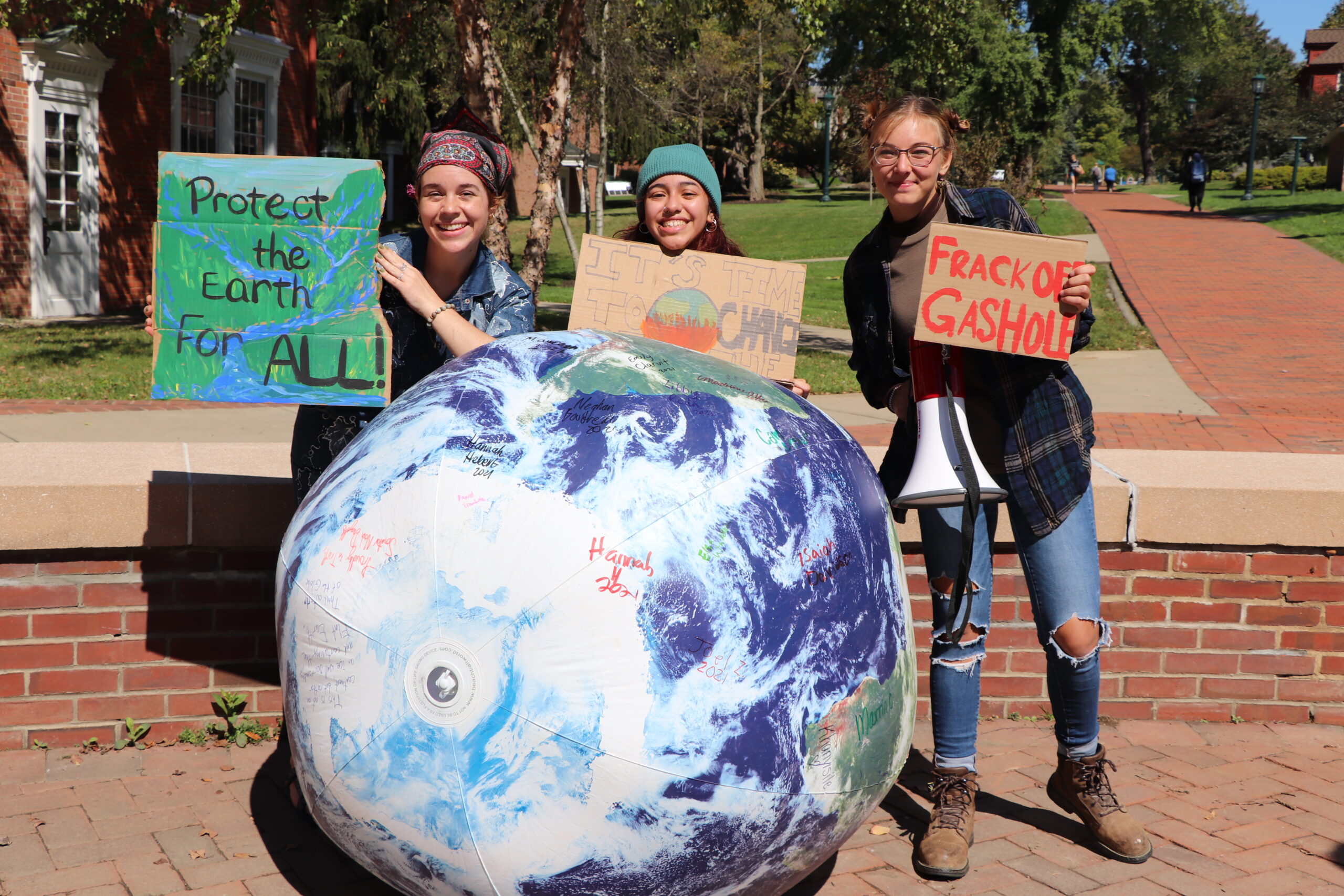
Students must understand every aspect and impact of environmental science on humans. Part of this is studying how climate change affects our most vulnerable neighbors.
 

At Allegheny College, environmental science isn’t a theory or something in a textbook. It is a series of problems to be studied, with actionable solutions. In this way, Matthew Bethurem’s students’ work in Meadville delivered. Students conducted a climate vulnerability assessment to illustrate the need for certain infrastructure change to relieve some of the challenges faced in the lowest lying areas of town.

Bethreum notes that there are myriad different impacts associated with the planet being hotter over time and location matters. Lower income residents tend to live in the area’s floodplain, rendering them more vulnerable to heat, flooding, property damage and health issues caused by the climate. This region is also one of the fastest warming places in the lower 48 states. We know that going forward, there will be more days that are above 90 degrees Fahrenheit in the summertime. Meadville residents historically don’t have air conditioning, but will need it going forward, which can be a cost issue for some households. Energy efficiency and educating local landlords to update weatherization materials was part of the students’ work.

A key tool in the climate vulnerability assessment was through Geographic Information System (GIS) work. This created useful maps that evolved into the specifics of a Climate Action Plan for Meadville. The understanding of this tool and the ability to present real solutions to the City Council on a multi-year basis is a powerful opportunity for students to learn the practical ways to face climate change.
Field-Based Research for Economic Development

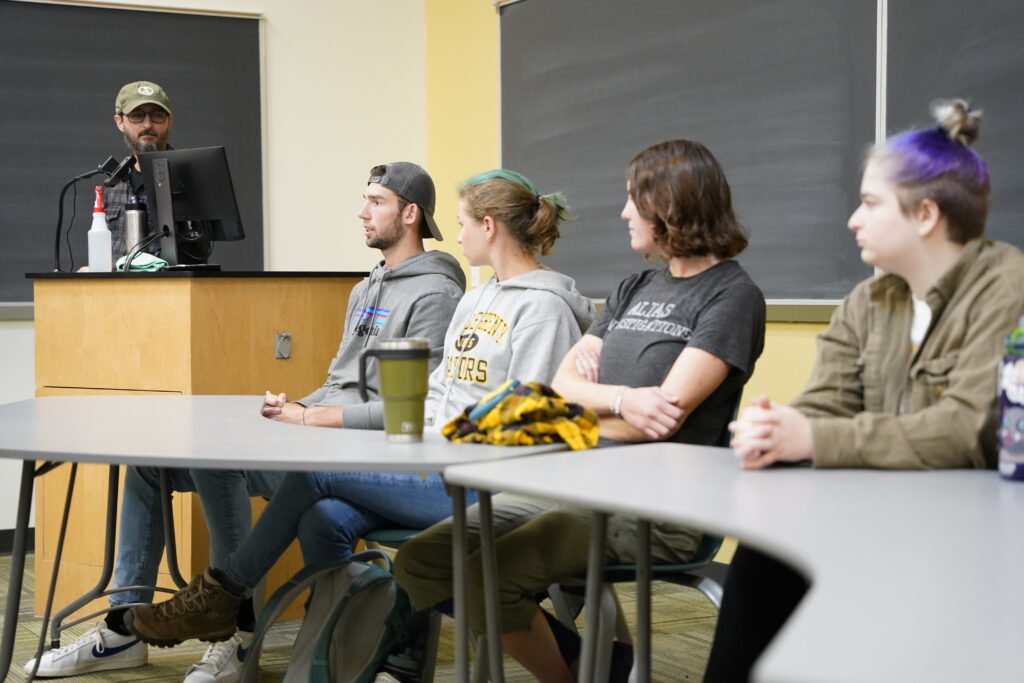
Sometimes making the connection between environmental science and the cost of investing in its study and practical application can seem elusive. ESS faculty constantly invest time in finding community collaborations and projects for students that will make those connections.

For the past 50 years, students have produced work that demonstrates value to others.

The practical benefits of an environmental science education at Allegheny are far-reaching. For example, when the Erie National Wildlife Refuge was in jeopardy of being defunded, ESS

Department Chair Professor Terry Bensel devoted an entire semester to studying the economic benefit of the Refuge. He says, “We spent that class studying things like water quality, air quality, wildlife habitat, and the impact of the recreational activities out there on the local economy from hotel stays to hunting supply and fishing supply stores. Local restaurants, gas stations, anything that somebody coming to the refuge from out of the region would spend money on. We did surveys of hundreds of local residents to gauge their attitudes about the refuge and their willingness to pay for participating in it.

The students distilled all of their research into a report that laid out a compelling argument that the refuge provided millions of dollars in benefits to the local region and economy.” Because of the work of Bensel’s students, the Refuge submitted that report to the U.S. Department of the Interior, and their budget has not been cut. 

This connection between the economics and environmental science is more important than ever to confront, manage, and solve the issues of our time.

The Environment, Justice, and Food

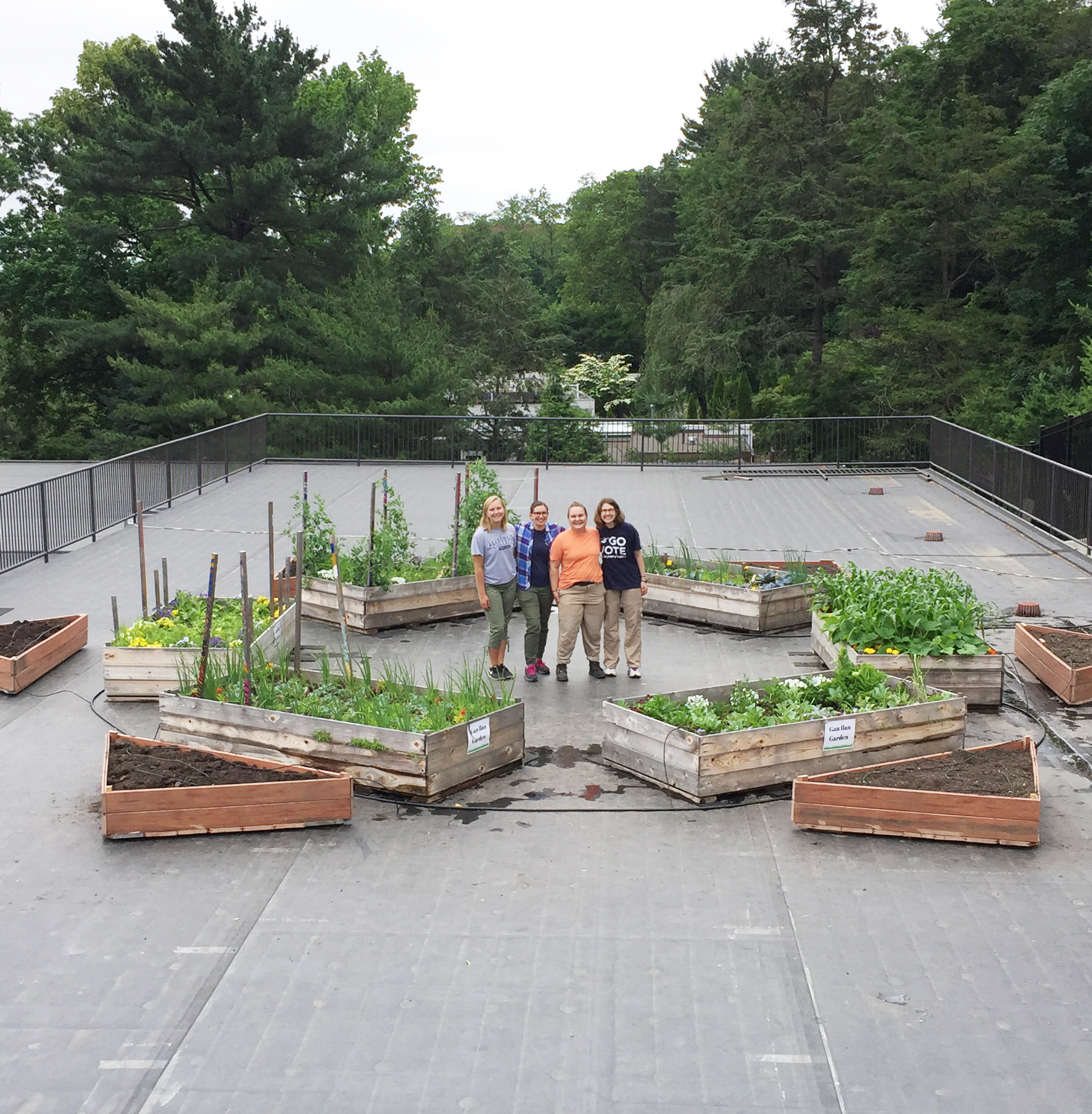
Designing spaces for sustainable agriculture is just one spoke of the wheel in the wide-reaching topic of environmental science. Using campus as a huge outdoor study hall, students of every faculty member embrace ways to impact their own backyard, while learning how to take that experience out into the world.

Religious food justice movements may not be at the tip of anyone’s tongue when they think of environmental science. But Adrienne Krone’s background in philosophy and religious studies frames the issue of food in terms that make perfect environmental science sense.

Since 2016, Professor Krone has been focused exclusively on a project studying the Jewish Community farming movement. It’s a network of 25 organizations in the US and Canada that are engaging in sustainable agriculture from a Jewish perspective.

The importance of identity and culture connects students from all backgrounds to an understanding of the historical significance of reconnecting Jews to land. This includes their local food systems and understanding some of these ancient Jewish agricultural principles and ethical principles, especially in the time of environmental degradation in the climate.

Krone’s instruction prompts students to think about the role of technology in animal agriculture and processing food and meat. These concepts are not purely esoteric, but have practical applications when thinking about issues of religion and humanities. Allegheny students learn how to consider these aspects of living when trying to understand conflicts across the globe, as land and heritage can often be drivers of major geopolitical events.

Forestry, Soil, and Climate

Some Allegheny College environmental science faculty have been researching, teaching, and implementing changes over time that entire data sets have shifted, new vocabulary introduced, and powerful technology has accelerated actionable advances in the field.

When professor Rich Bowden started at the college in 1990, knowledge around the threats of climate change to the planet was growing among the academic and scientific communities. Today, students seek out Allegheny because they have an established understanding of and interest in studying the issue more than ever.

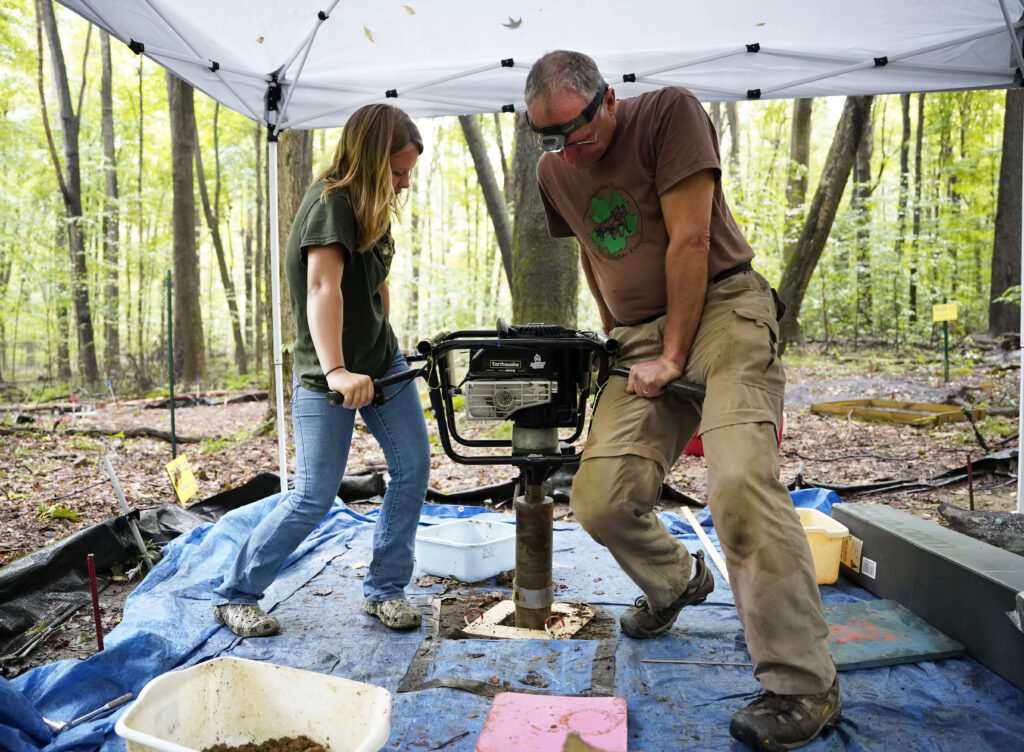
Professor Bowden’s focus has been on one of the key elements of climate — the emission of carbon and the ability of soil and forests to harness it. To research the best ways to maximize the carbon benefits of forest soil, Bowden’s classes get their hands dirty in the 300 acres of research reserve owned by Allegheny, the Bousson Experimental Forest, and many research centers around the world. Bowden works very closely with Professor Eric Pallant, who is recognized as Allegheny’s premier soils expert and advocate. Pallant’s students regularly cite their time with him as deeply impactful.

In turn, Allegheny College students have played a role in the evolution of forest management. From a world-class chemist in Toronto to wheat farmers in Nebraska, field work is done in tandem with professionals who benefit from students’ work.